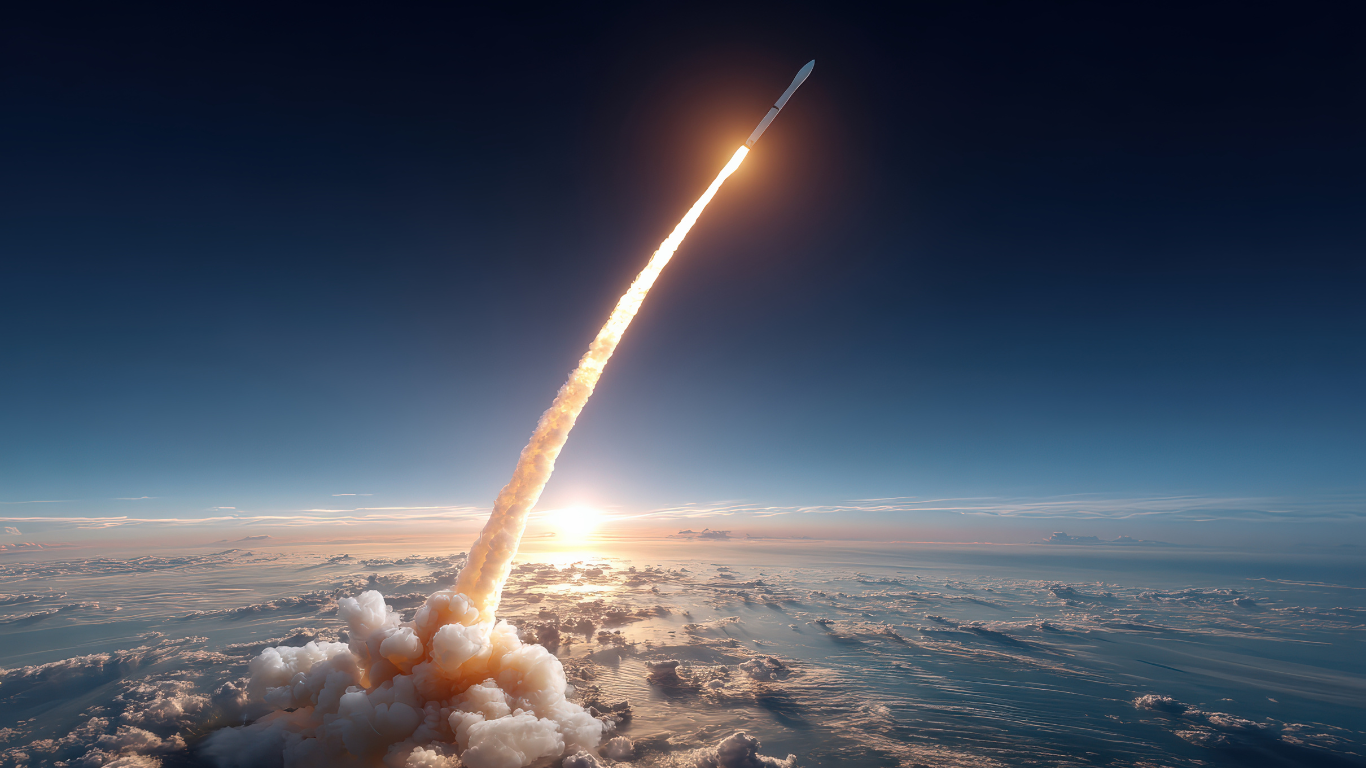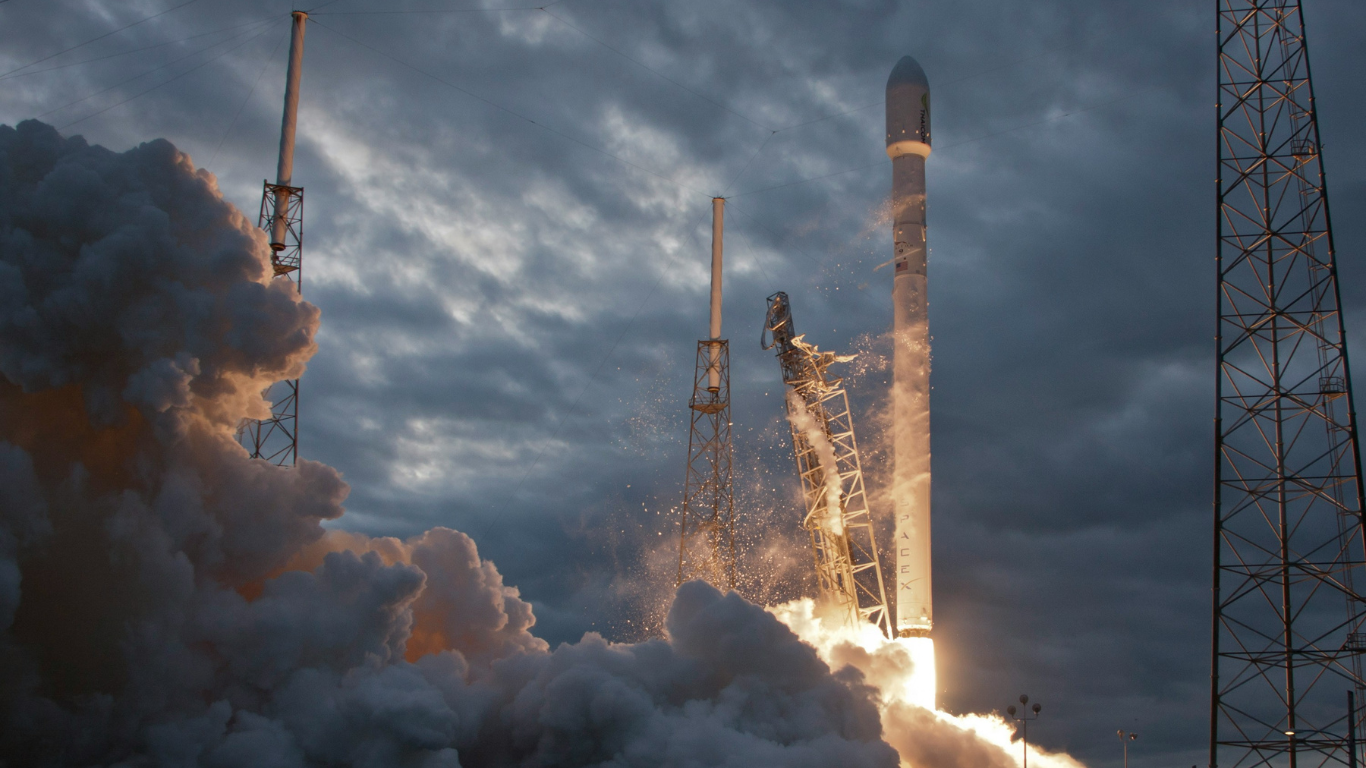
Kosmos-482 was meant for Venus in 1972, but a blown upper stage trapped it in Earth’s orbit. Fast forward fifty-three years, and the probe’s titanium shell fell into the Indian Ocean on the 10th of May 2025.
It had no fuel, lacked autonomous control, and had no capability for a controlled return. Built when engineers viewed spacecraft as single-use assets, its design omitted any provisions for end-of-life manoeuvres or safe disposal.
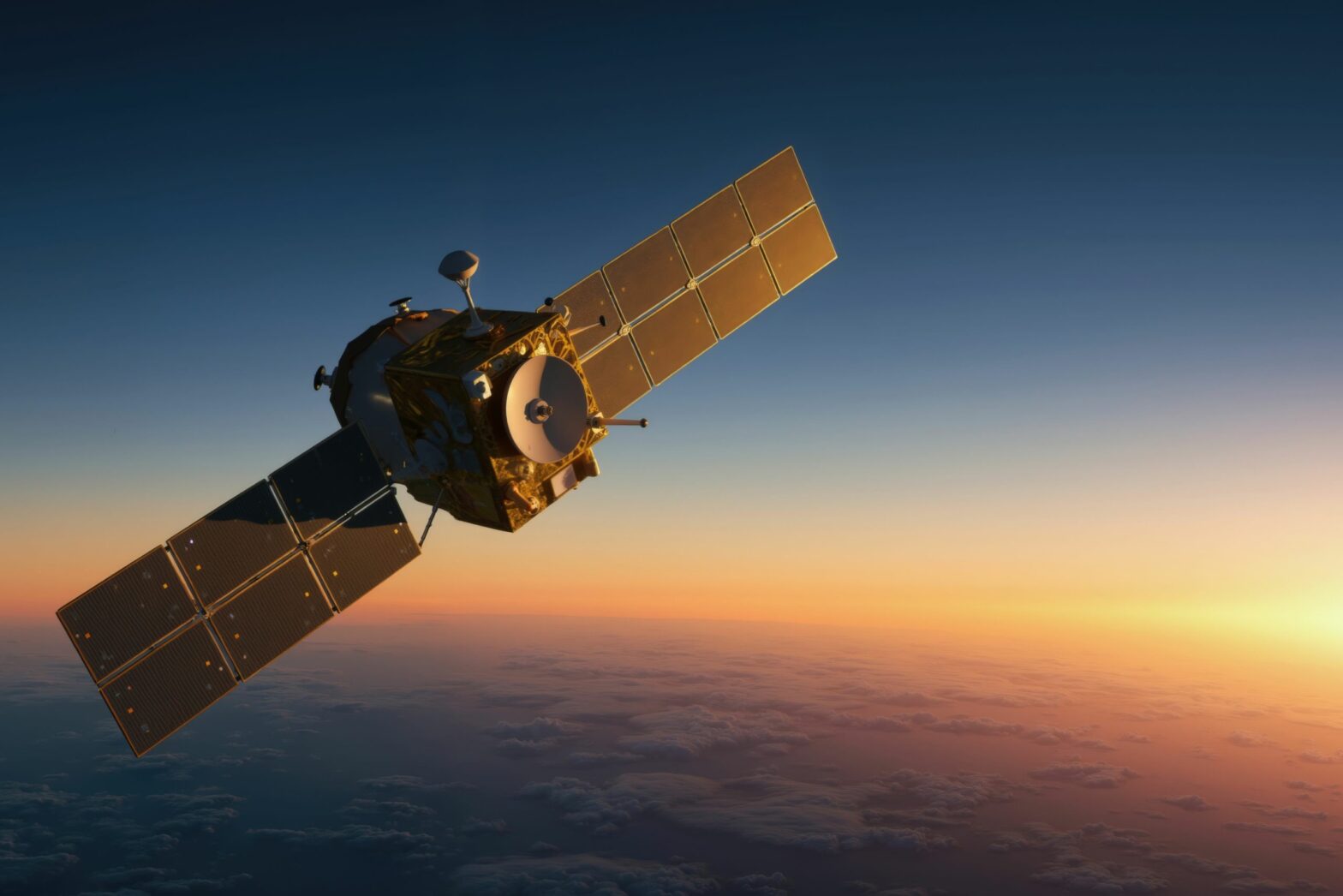
As we know, old spacecrafts within this era eventually become debris. Some, like Kosmos-482, fall back unpredictably because they cannot steer. But in-orbit servicing changes this narrative and the “launch-and-leave” era they were designed in is closing fast.
Why does in-orbit servicing matter?
A dead satellite still costs money. It also clutters traffic lanes that now carry 23,000 tracked objects and millions of fragments.
Intelsat expects its MEV-assisted craft to earn five extra years of broadcast income, which is roughly half a billion dollars.
Multiply that across dozens of satellites. Servicing shifts from risk mitigation to pure bottom-line growth, which ultimately extends revenue years, shrinks replacement budgets and removes dead mass.
When a spacecraft falls back to Earth unguided, like the Kosmos-482 this year and Skylab and Tiangong-1 in previous years, agencies must race to track it and forecast where the debris might land. Servicing flips the script by keeping assets functional and steering spacecraft away from people.
A three-act tech story
Act I — Launch & Forget (1957-2010)
Spacecraft were sealed units that flew until propellant starvation and drifted as inert mass.
Act II — Life Extension (2010-2023)
Northrop Grumman’s MEV-1 docked with Intelsat-901 in 2020 and pushed it five more years up the revenue curve.
Act III — Full-Service Orbit (2024-onward)
Astroscale’s ELSA-M and ESA’s ClearSpace-1 plan multi-client refuel, repair, and deorbit sorties from 2026.
Each act cuts latency, risk, and cost.
A $60 million tune-up now beats a $300 million replacement build.
Universal docking rings and magnetic plates let any tug latch on. Smart cameras and autopilot software keep the approach so steady that two spacecraft meet within a few centimetres.
In-orbit “gas stations” such as Orbit Fab aim to start refuelling satellites in geostationary orbit by late 2025.
Robotic arms can change batteries, swap broken parts, or bolt on new sensors in a single shift. When a craft is truly finished, the tug fires its engines and guides the spacecraft into a safe, controlled burn-up. This then closes the loop.
Field evidence
MEV-1 mated to Intelsat-901 after nineteen years in space and is still boosting the bird today.
Insurers now quote lower premiums for service-ready buses.
Astroscale will practice serial captures of OneWeb shells in 2026, proving the business case for constellation cleanup.
ClearSpace-1 will grab a 112 kg VESPA adapter with four robotic claws and guide both into a safe dive.
Final thoughts
Kosmos-482’s unplanned plunge marks how far the industry has progressed.
Modern spacecraft lift off with service ports, autonomous rendezvous algorithms, and a retirement plan—proof that the one-and-done era is giving way to a circular, service-driven model.
Design every new vehicle for docking and keep responsiveness high, and low-Earth orbit remains both profitable and accessible. Stay that course, and the next fifty-three years will be defined not by discarded satellites but by spacecrafts that are refuelled, upgraded, and returned to work
Click here to read similar blog articles.